
5 Fall Must-Dos for Your Concrete & Masonry in Northern Minnesota
Fall in Northern Minnesota never seems to last quite long enough.
One minute, you’re enjoying crisp mornings, changing leaves, and maybe convincing yourself there’s still plenty of time to finish that outdoor project. The next, you’re scraping frost off the windshield and wondering why the snow shovel is somehow buried behind everything else in the garage.
Before winter settles in for the long haul, there are a few things around your home worth checking, especially your concrete and masonry.
Concrete, brick, block, stone, and mortar are built to be tough. But Northern Minnesota winters aren’t exactly known for taking it easy on things. Water, snow, ice, and repeated freezing and thawing can be particularly hard on areas that are already showing signs of wear.
The good news? A little attention in the fall can go a long way.
Here are five places to start.
1. Give Everything a Good Cleanup
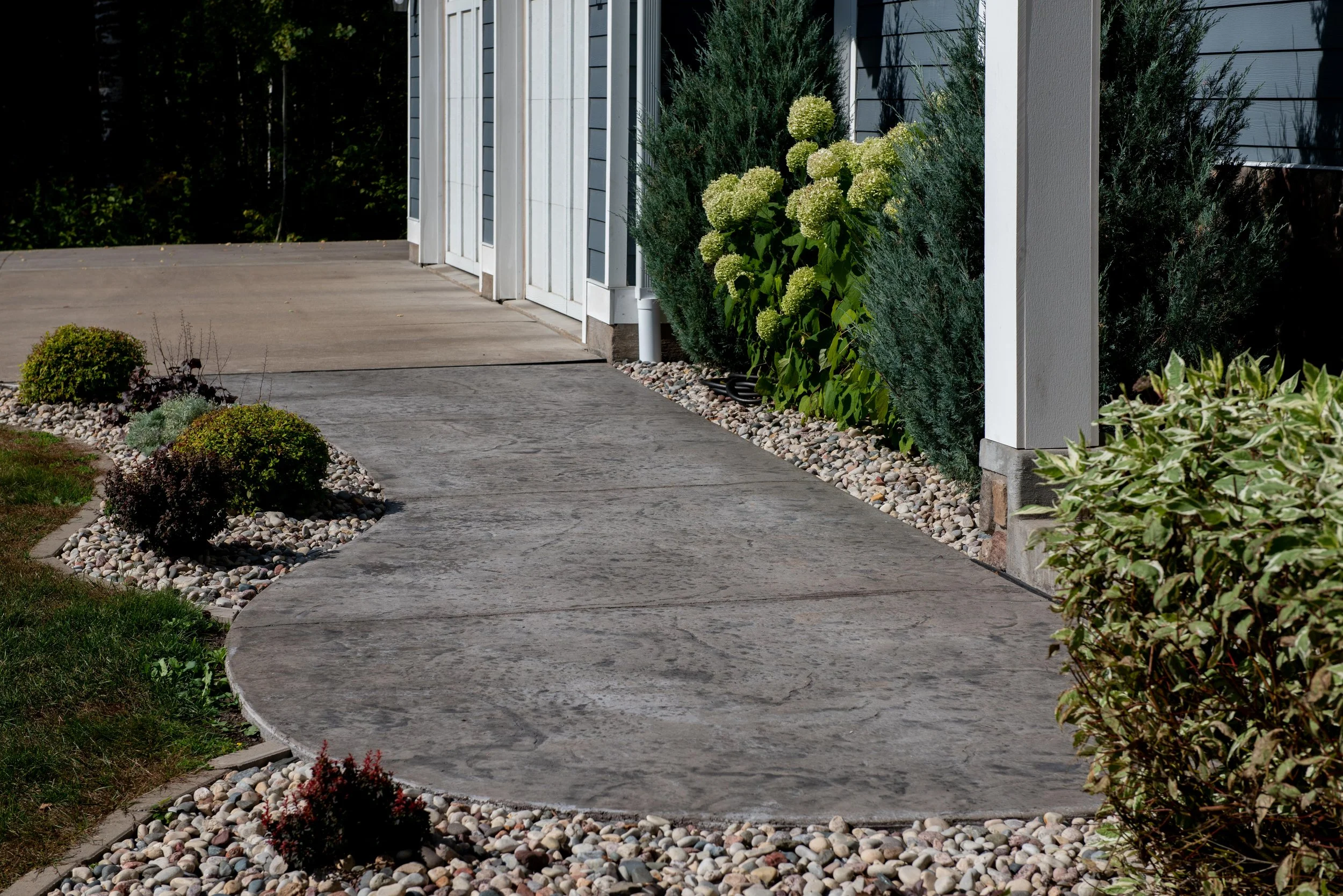
A nice, clean sidewalk.
We know. Raking leaves probably wasn’t the exciting home improvement project you had planned for the weekend.
But those leaves have to go somewhere, and preferably not in a soggy pile on your concrete steps.
Leaves, dirt, moss, and other debris can hold moisture against concrete and masonry surfaces. Before everything disappears under snow, clear off patios, sidewalks, driveways, steps, retaining walls, and other masonry around your home.
Think of it as your last good look at these surfaces before Mother Nature covers them up for the next several months.
2. Look for Cracks Before Winter Finds Them
Not every little crack means disaster, but cracks do deserve attention.
When water finds its way into an existing crack and temperatures drop, that moisture can freeze and expand. Over time, repeated freeze-thaw cycles can contribute to further deterioration.
Take a walk around your property and look closely at your concrete and masonry. Check driveways, sidewalks, patios, steps, foundations, brickwork, block walls, and other exposed areas.
Keep an eye out for cracking, crumbling, flaking or spalling concrete, deteriorating mortar, and pieces that have shifted or become loose.
You don’t need to become a concrete expert during your Saturday morning walk-around. You’re simply looking for changes and areas that don’t look quite right.
3. Pay Attention to Where the Water Goes
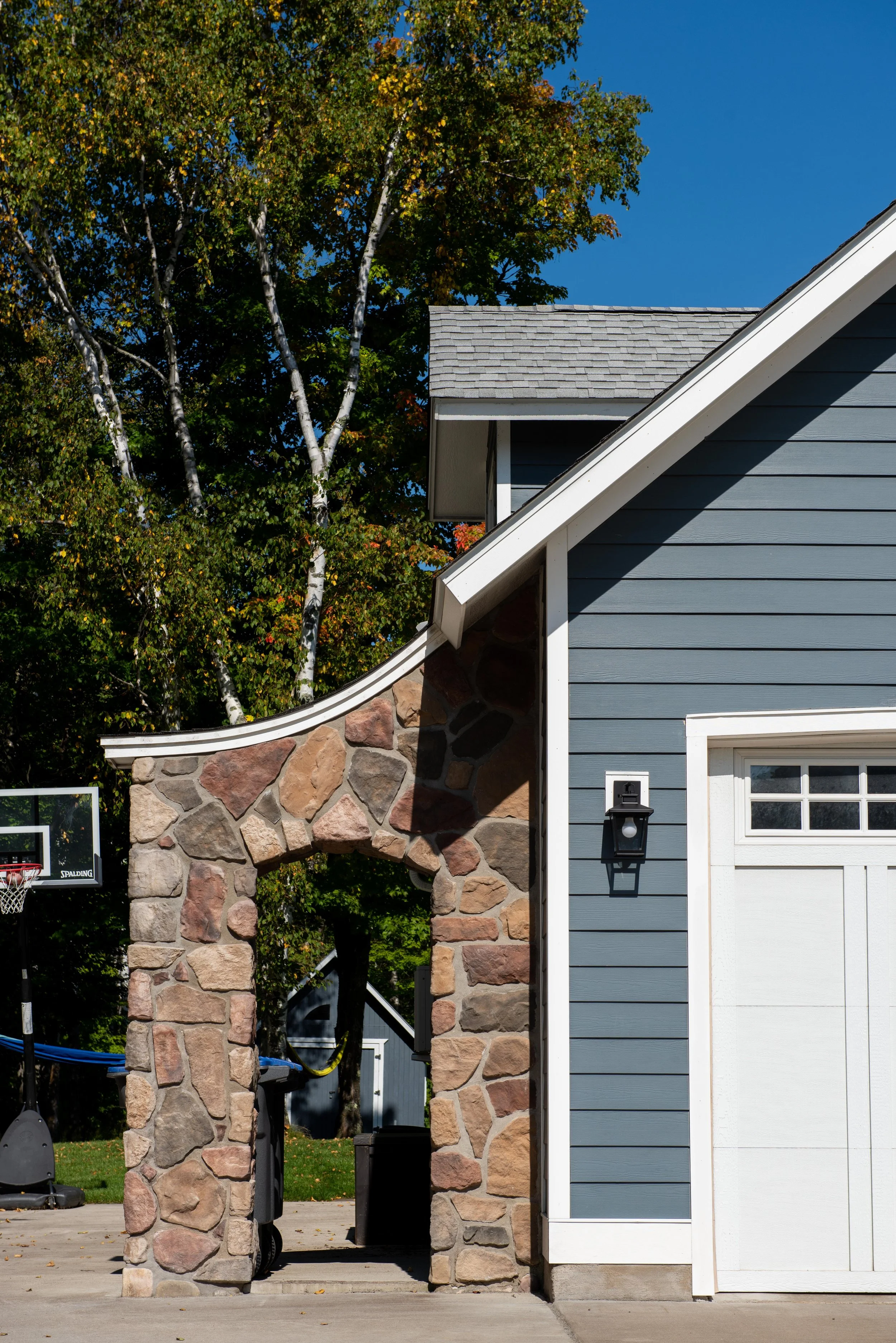
Be sure to know the direction of your water movement.
Water is great in Lake Superior. Around your foundation? Less charming.
Take a look at how water moves around your property. Gutters and downspouts should direct water away from the house and masonry. Check for low areas where water pools next to concrete slabs, steps, foundations, or retaining walls.
Drainage problems can be easy to overlook during dry weather. Then fall rain arrives, followed by melting snow and spring runoff, and suddenly that low spot becomes a very noticeable problem.
The goal is simple: whenever possible, help water move away from the things you’re trying to protect.
4. Check the Joints and Gaps
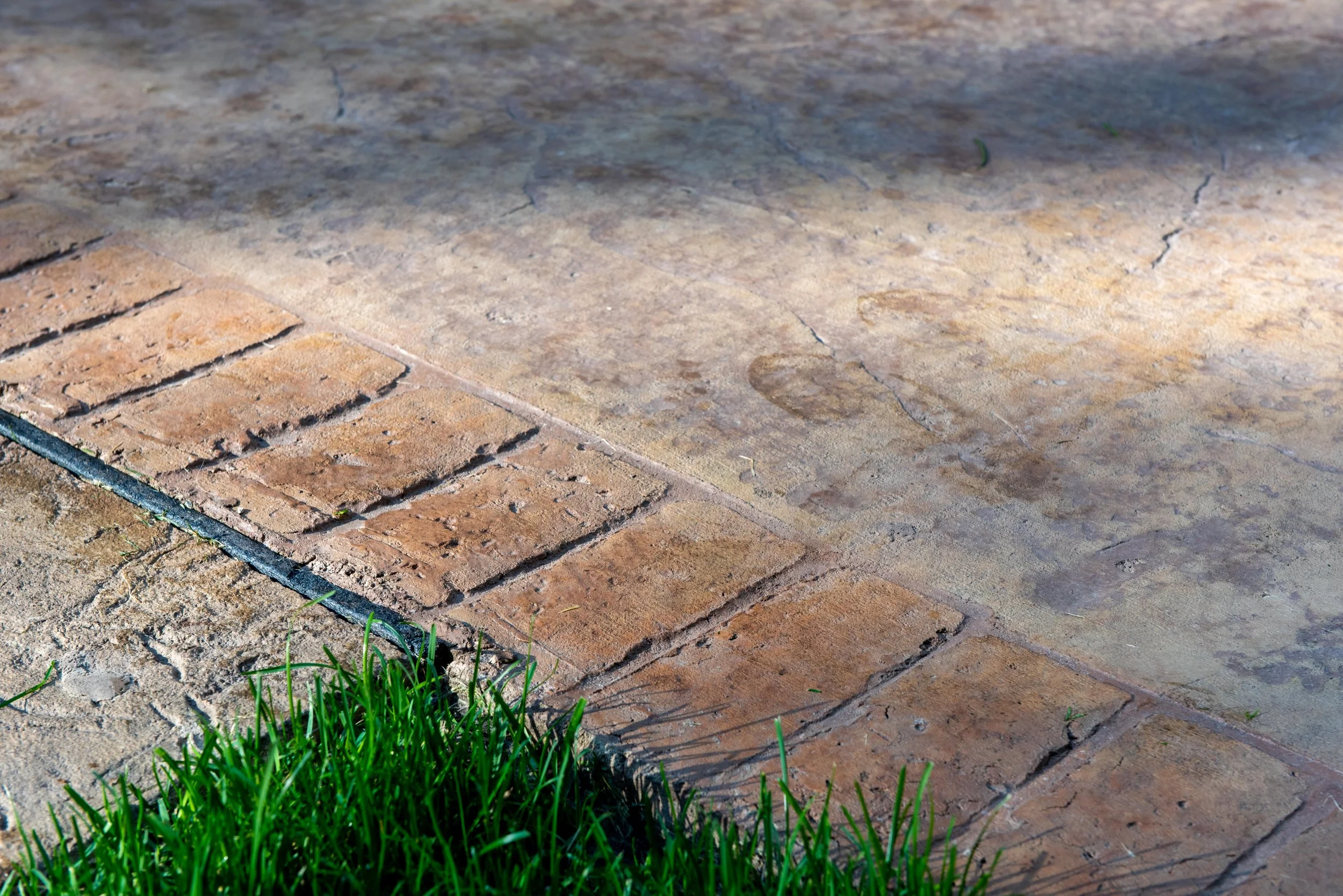
When joints and gaps are sealed, the product tends to last longer.
Cracks tend to get most of the attention, but don’t forget about the spaces between things.
Look at joints and gaps around concrete slabs, sidewalks, steps, walls, and areas where different materials meet. If existing joint material or sealant is deteriorating, pulling away, or missing altogether, it may provide another path for moisture to enter.
This is also a good time to look at mortar joints in brick and stonework. Missing, loose, or badly deteriorated mortar is worth noting.
Again, the goal isn’t to diagnose every problem yourself.
You’re looking for the spots that might deserve a second look before another Northern Minnesota winter gets involved.
5. Don’t Assume Winter Will Fix It
We’ve yet to see a cracked step spend four months under snow and emerge in April saying, “Feeling much better, thanks.”
If you notice crumbling concrete, loose mortar, significant cracking, movement, or another area that concerns you, getting it looked at can help you understand what’s actually happening.
Sometimes a repair makes sense sooner rather than later. Other times, the right answer may be to monitor the area or plan the work for a better time.
Either way, knowing beats guessing.
That’s especially important because concrete and masonry problems don’t all have the same cause—or the same solution. Fixing the visible symptom without understanding what’s behind it can leave you right back where you started.
A Little Fall Maintenance Goes a Long Way
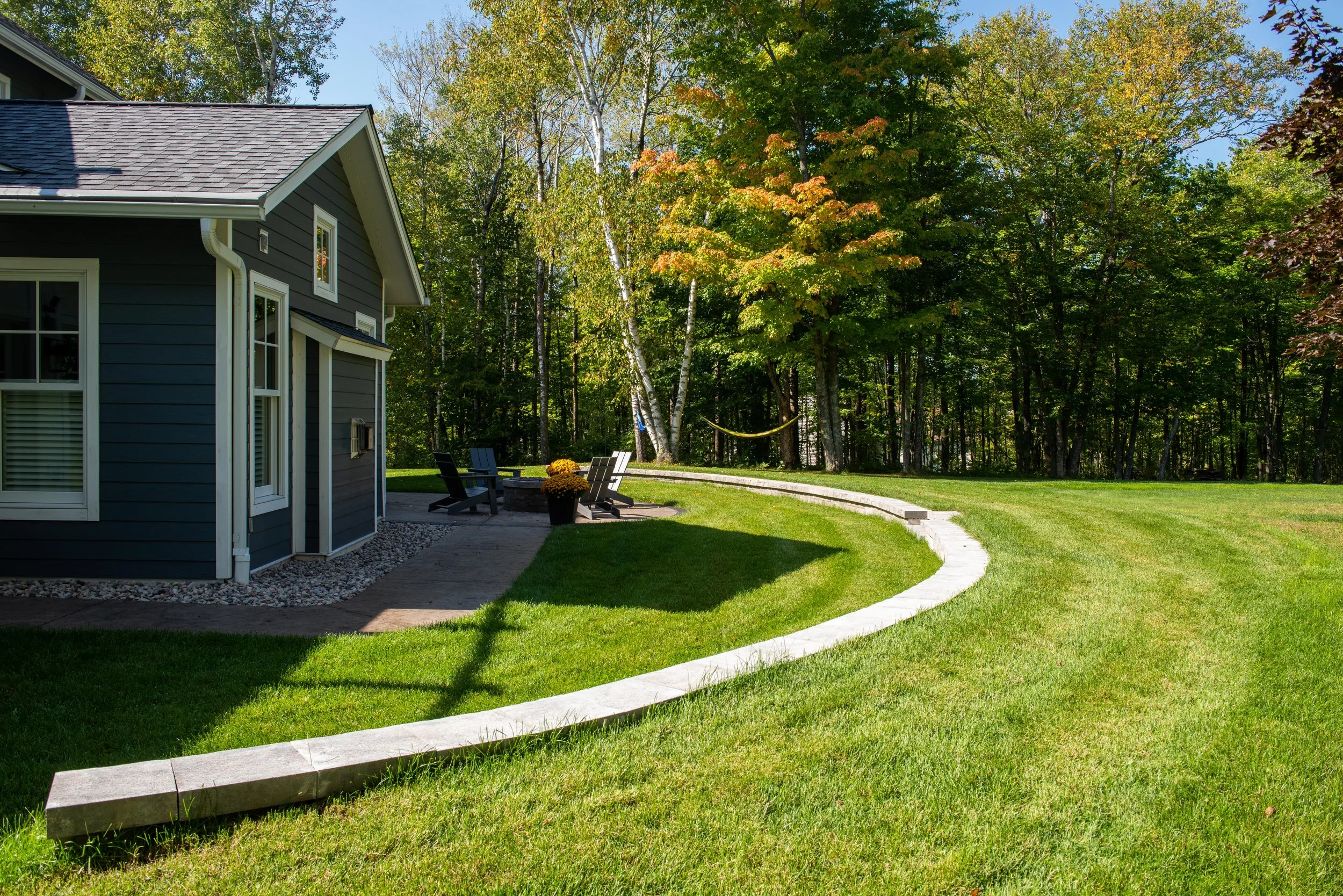
Enjoy your space in all seasons.
There’s already plenty to do before winter in Northern Minnesota. Boats need to come out. Hoses need to be drained. Patio furniture somehow has to fit back into the garage. And yes, eventually you’ll have to admit that summer is actually over.
Adding one more thing to the list might not sound exciting, but taking a few minutes to inspect your concrete and masonry now can help you spot potential trouble early, keep an eye on existing damage, and make better decisions about your home.
At JM Inc., we believe in doing the extra things that matter. Sometimes that means making a major repair. Sometimes it simply means helping a homeowner understand what they’re looking at and what—if anything—needs to happen next.
So take a walk around the house before the snow flies.
And if you find a crack, crumbling mortar, damaged concrete, or something else that has you scratching your head, you don’t have to figure it out alone.
Ask JM Inc. We’re here to help.
Reach out by clicking the button below!