
One of the best parts about living in Arizona is being able to enjoy your outdoor space practically year-round.
Morning coffee on the patio. Dinner outside with friends. An afternoon by the pool. And, of course, those summer days when the patio furniture is approximately the same temperature as the surface of the sun.
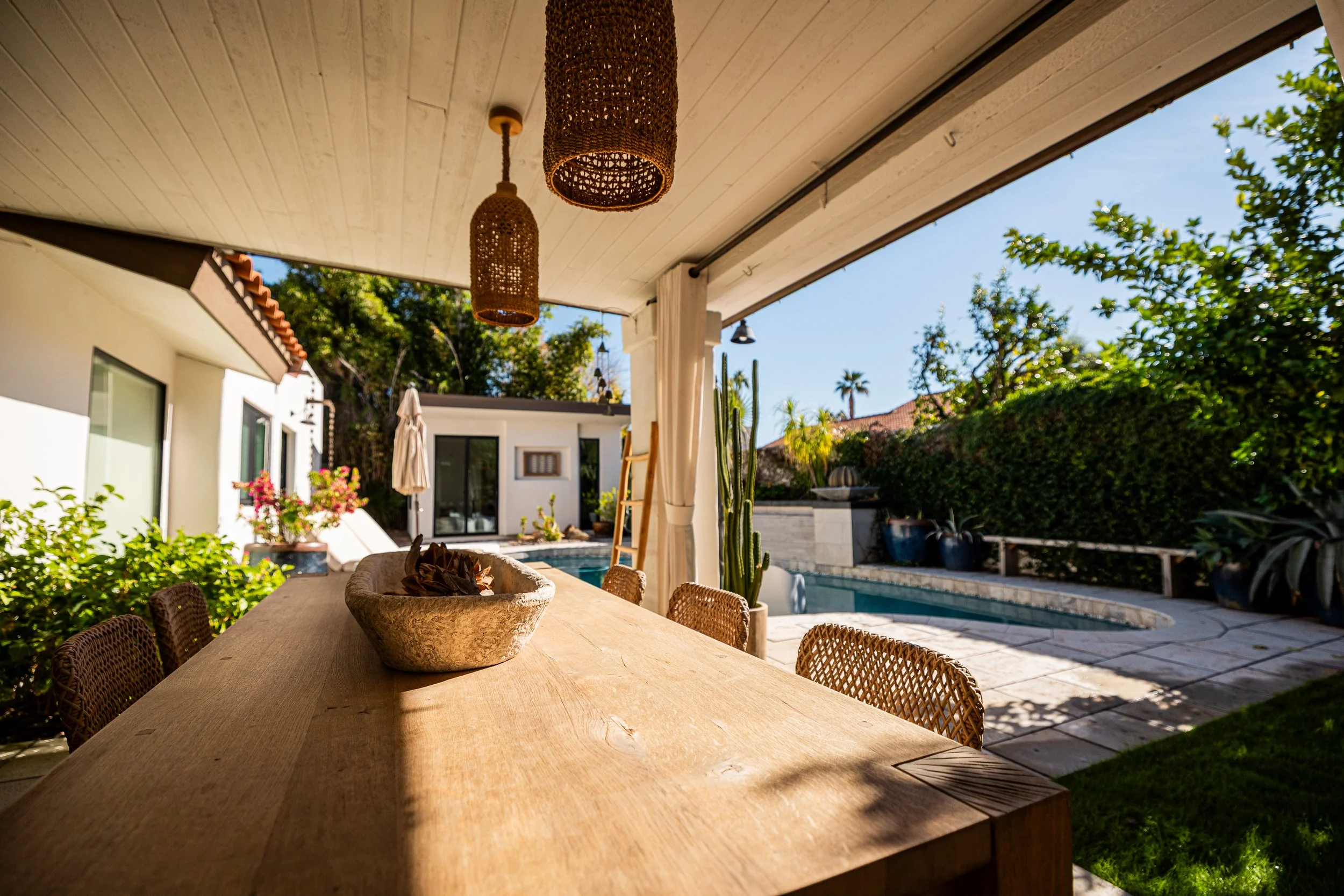
But what happens when your beautiful outdoor space starts looking a little less beautiful?
Maybe a few patio pavers have sunk. Your walkway has developed an unexpected bump. Or the retaining wall that used to be perfectly straight now seems to have developed a personality of its own.
It's easy to assume these things are just part of owning a home in the desert.
But sinking, shifting, and uneven hardscapes are often signs that something beneath the surface needs attention.
And understanding what's causing the problem can make all the difference in how you fix it.
First, What Causes Pavers to Sink or Shift?
When a patio, walkway, or other hardscape begins to settle or shift, the problem often starts underneath it.
Pavers rely on a properly prepared, compacted base to remain stable. If that base begins to move, wash away, or lose support, the surface above can move with it.
In Arizona, several factors can contribute to these problems.
1. The Ground Beneath Your Feet Isn't Always Stable
Arizona may be known for its rocky desert landscape, but that doesn't mean the soil beneath your home is guaranteed to stay put.
Depending on the location, soil conditions, and moisture levels, the ground can settle, expand, or contract over time.
When that happens beneath a patio or walkway, pavers may begin to sink or separate.
Sometimes the movement is minor. Other times, it creates noticeable dips, uneven surfaces, or drainage problems.
The important thing is figuring out whether the issue is limited to the surface or whether something deeper needs to be addressed.
2. Poor Installation
A beautiful patio is only as good as what's underneath it.
If the soil wasn't properly compacted during installation, the base materials weren't installed correctly, or the drainage wasn't adequately planned, problems may develop down the road.
And unfortunately, a fresh set of pavers can hide a lot of questionable work.
Over time, poorly prepared areas may settle unevenly, allowing individual pavers to shift or sink.
That's why a lasting repair often involves more than simply putting the pavers back where they belong.
3. Monsoon Season
Arizona doesn't get the same kind of rainfall as many other parts of the country.
But when the rain comes, it can really make an entrance.
Heavy monsoon storms can send large amounts of water across patios, walkways, and landscaped areas in a short period.
If drainage isn't properly managed, flowing water can erode soil or wash away supporting materials beneath hardscape surfaces.
The result?
Sinking pavers, uneven walkways, and sometimes damage that continues to get worse with each storm.
4. Tree Roots
Trees are a welcome sight in the Arizona desert.
They provide shade, add beauty, and make outdoor spaces a whole lot more enjoyable.
But their roots can also create problems for nearby hardscapes.
As roots grow, they can lift pavers, disrupt supporting materials, and contribute to uneven surfaces.
If your walkway seems to be developing a speed bump next to a mature tree, there's a chance the roots are involved.
The solution depends on the situation, and protecting the health of the tree may be just as important as repairing the walkway.
Is an Uneven Patio Really That Big of a Deal?
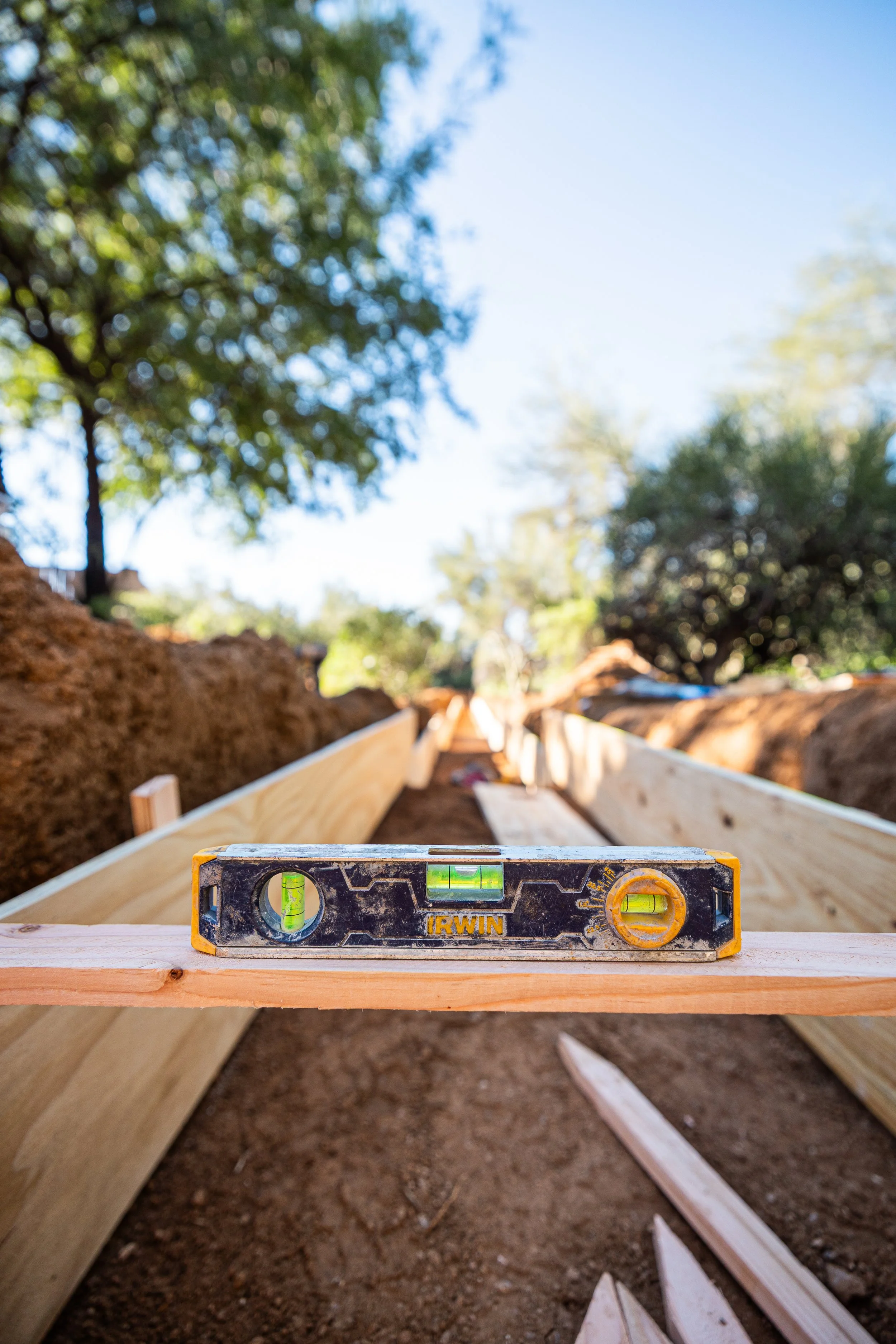
A slightly crooked paver might not seem like much.
But depending on the location and severity, shifting hardscapes can create more than just an appearance problem.
Uneven surfaces can become tripping hazards, especially around pool decks, steps, and frequently used walkways.
Low areas may collect water, potentially contributing to additional erosion or deterioration.
And if the underlying issue continues, the damage may spread to surrounding areas.
That doesn't mean every uneven paver is an emergency.
But it does mean that ignoring the problem indefinitely probably isn't the best plan.
Can Sinking Pavers Be Repaired Without Replacing the Entire Patio?
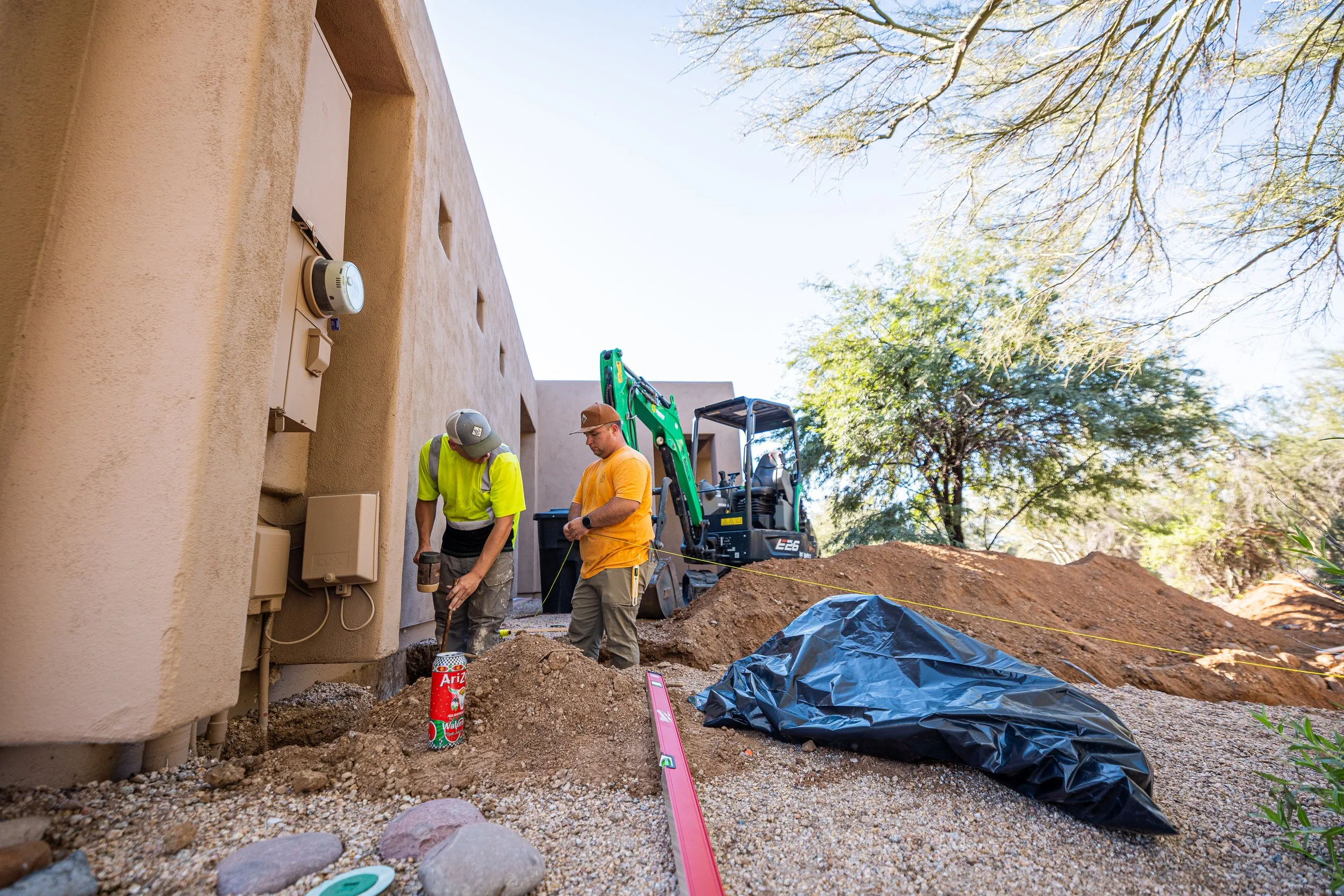
Here's some good news.
In many cases, sinking or shifting pavers can be repaired without completely replacing the hardscape.
If the pavers themselves are in good condition, they may be carefully removed, the underlying base repaired or rebuilt, and the original pavers reinstalled.
This can be especially valuable when dealing with unique, expensive, or difficult-to-replace materials.
However, if the damage involves extensive erosion, significant structural movement, or a failing retaining wall, a more involved repair may be necessary.
The right approach depends on what's actually causing the problem.
At JM Inc., we believe in understanding the issue before recommending a solution.
Because there's not much sense in making a patio look perfect today if the same problem is going to return next year.
What About Cracked Concrete and Leaning Retaining Walls?
Pavers aren't the only hardscape materials that can experience problems.
Concrete patios and walkways can crack or settle due to soil movement, poor support, drainage issues, or other factors.
Retaining walls can also shift, lean, or develop cracks when drainage, soil pressure, or construction issues begin affecting their stability.
And while some surface damage may be relatively straightforward to address, a leaning retaining wall deserves particular attention.
Unlike an individual patio paver, a retaining wall is holding back soil. If it's moving, the underlying cause should be evaluated before repairs are attempted.
The goal is to make sure the finished repair is properly supported and suited to the conditions around your property.
Your Outdoor Space Deserves Better Than a Quick Fix
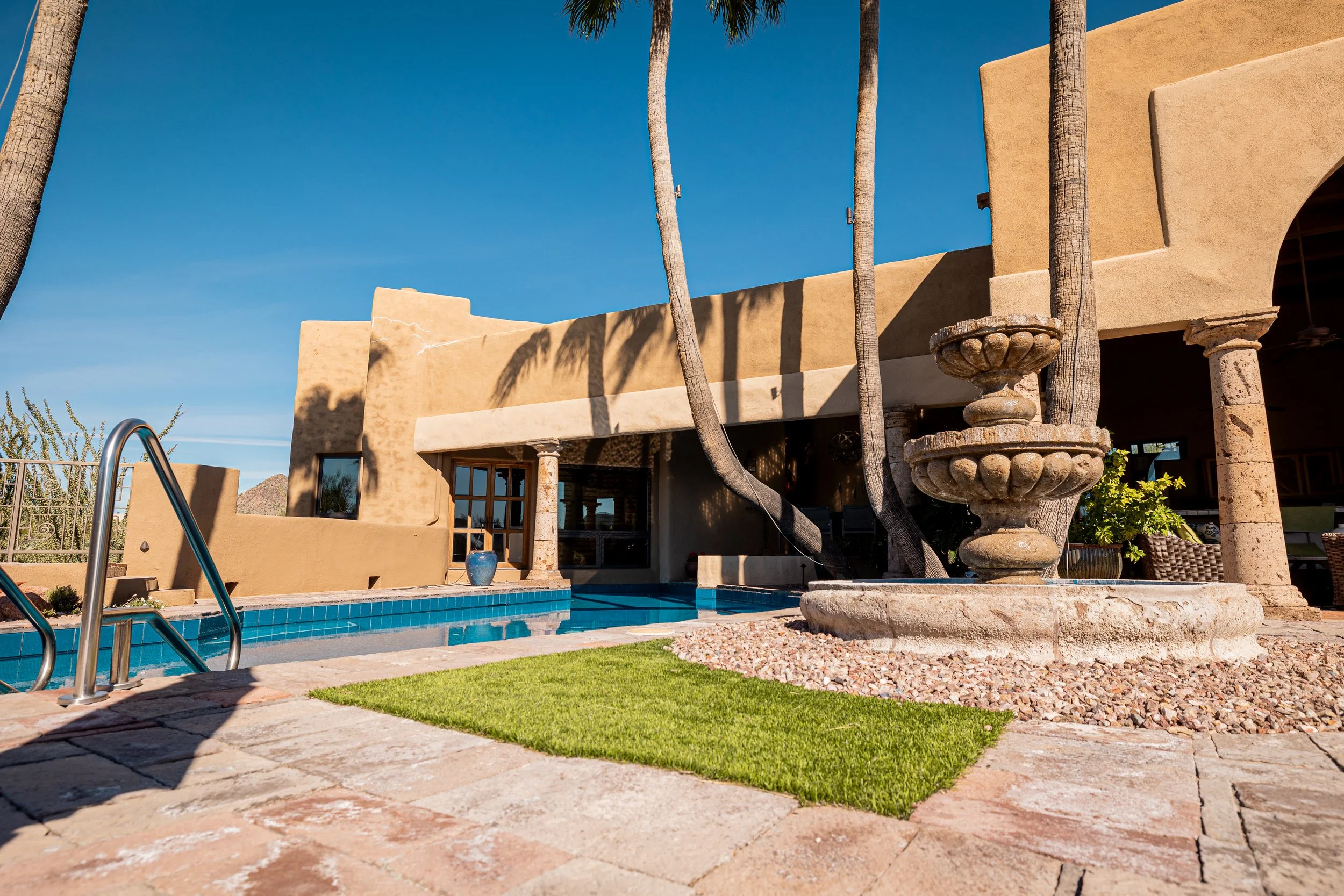
Here's the thing about hardscape repairs: what you see on the surface doesn't always tell the whole story.
A sunken patio might be the result of poorly compacted soil. A shifting walkway could be dealing with tree roots. A leaning retaining wall might have a drainage problem.
And fixing the visible damage without addressing the cause can leave you right back where you started.
That's why JM Inc. approaches hardscape restoration with a focus on understanding the problem, developing the right solution, and doing the work properly.
In fact, one of our Scottsdale projects involved restoring a unique access bridge with one-of-a-kind stone pavers imported from Guadalajara, Mexico.
The homeowners wanted to preserve every single paver while addressing serious structural deterioration beneath the bridge.
Through careful planning and reconstruction, JM Inc. was able to preserve those original materials while rebuilding the structure with masonry and steel reinforcement.
Let's Get Your Outdoor Space Back on Solid Ground
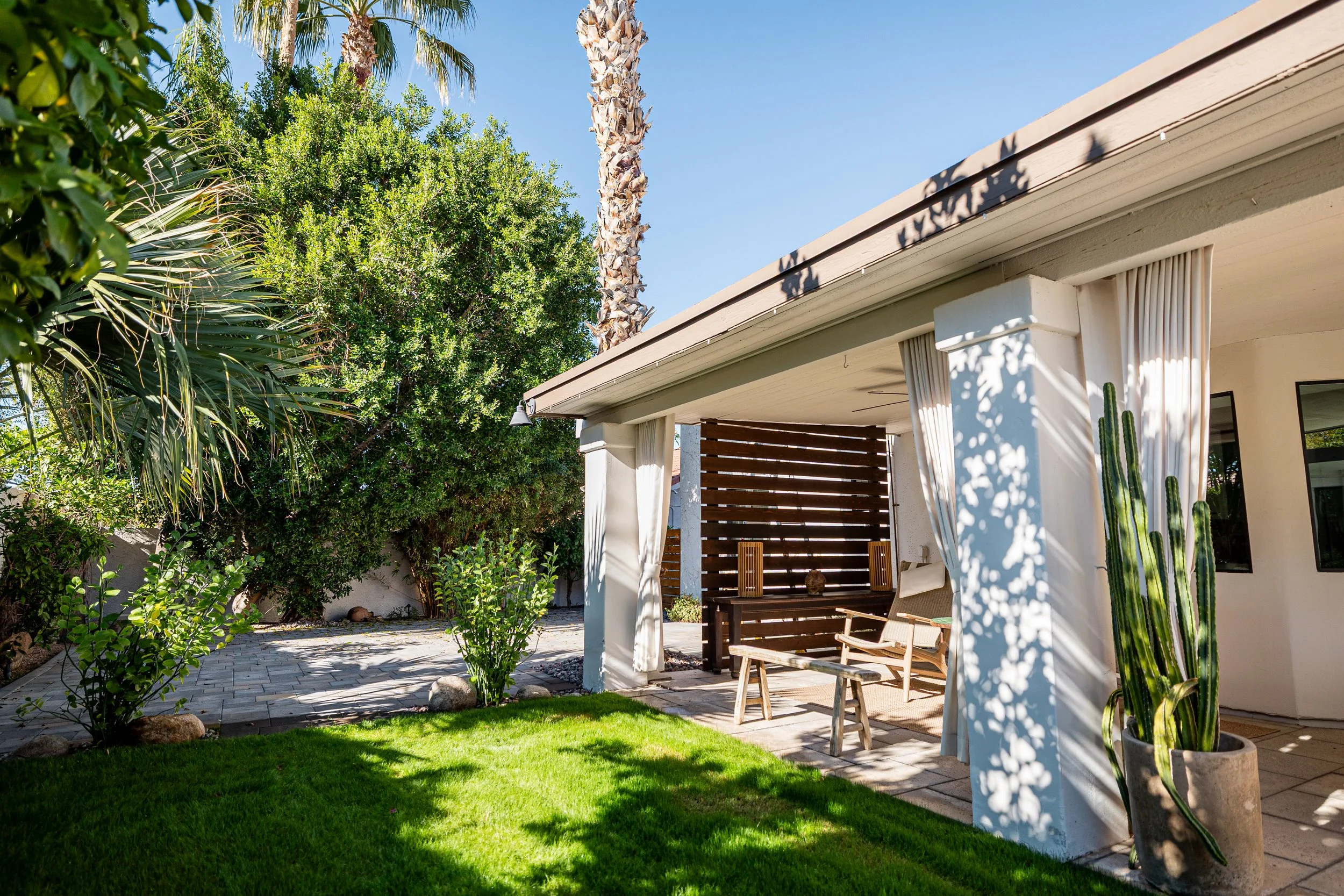
Arizona outdoor living is too good to spend it worrying about sinking patios, uneven walkways, or retaining walls that have started leaning in the wrong direction.
And the good news is that many hardscape problems can be repaired or restored when the underlying cause is properly identified.
At JM Inc., we help Arizona homeowners address damaged patios, walkways, retaining walls, concrete surfaces, and other hardscape concerns with thoughtful solutions and quality workmanship.
Whether you're dealing with a few uneven pavers or a larger restoration project, we're here to help you understand your options.
Ask JM Inc. We'll help you figure out what's happening beneath the surface and the best way to move forward.